Explore our state-of-the-art smart lighting catalog, designed to meet the rigorous demands of modern B2B buyers worldwide.
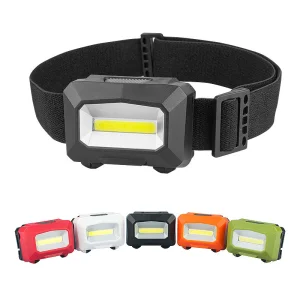
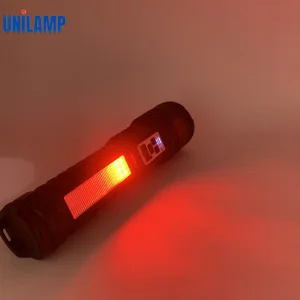
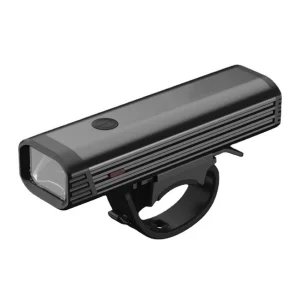
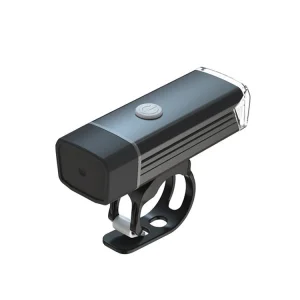
Founded in 2011, Ningbo Geek Flashlight Co., Ltd. has established a formidable presence at the intersection of high-end optical engineering and micro-mobility technological advancements. Strategically located within the vibrant industrial hub of Ningbo, Zhejiang Province, with operational offices positioned at the 8th Floor, Tongtong Huiying Center, Qingquan North Road, Longhua Street, Shenzhen City, Guangdong Province, we are uniquely situated to tap into China’s most advanced supply chain ecosystem and technology clusters.
Our dual-footprint structural framework allows our core manufacturing facility in Zhejiang to utilize unmatched deep-water logistics out of Ningbo Port, while our Shenzhen facility focuses on advanced software-hardware integrations, Internet of Things (IoT) protocols, and rapid optoelectronic prototyping. Over the span of 12 years, we have transitioned from a specialized lighting exporter to a comprehensive global powerhouse, executing end-to-end OEM and ODM services for internationally recognized brands.
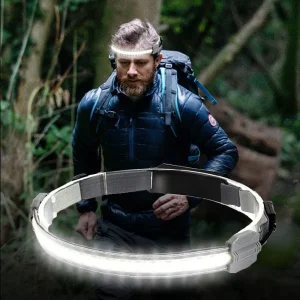
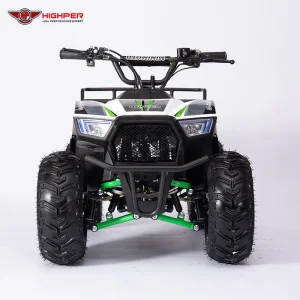
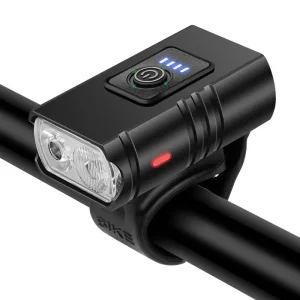
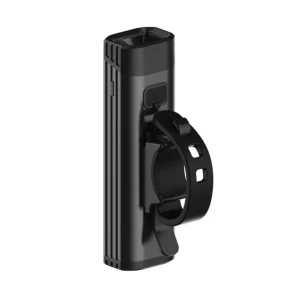
Our comprehensive portfolio features diverse lighting systems, spanning premium vehicle lighting series—such as bicycle lights, electric bicycle (E-Bike) integrated lighting, electric scooter safety lighting, motorcycle auxiliary headlights, brake lights, and SUV/Off-road auxiliary searchlights—alongside high-intensity outdoor searchlights, camping lamps, and LEP (Light Excited Phosphor) tactical flashlights. We also customize system components, covering specialized CNC aluminum machining, LED optical lenses, and highly efficient LED driver boards.
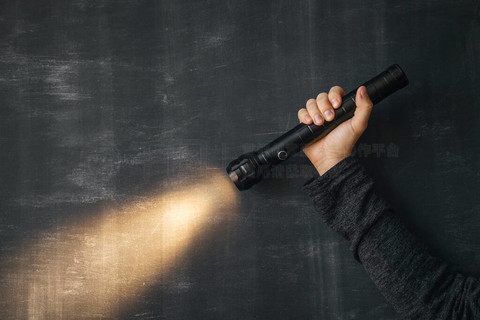
Pioneering the next generation of smart illumination through optical, electronic, and sensor integration.
The global shift towards micro-mobility and carbon-neutral transit has transformed the modest bicycle and electric bicycle (E-Bike) into highly sophisticated transportation mediums. Consequently, lighting is no longer just about emitting photons; it is about adaptive spatial illumination, rider safety, and integration within the smart city network. Our technology roadmap highlights our engineering teams' vision to address this shift through three key pillars: Adaptive Beam Technology (ABT), Light Excited Phosphor (LEP) Integration, and IoT Connected V2X (Vehicle-to-Everything) Communication.
Utilizing high-precision gyroscopic sensors and real-time light analysis, our smart headlights automatically adjust their beam pattern. By dynamically shifting light based on speed and tilt, we provide wider peripheral illumination in turns and longer throw on straight paths without blinding oncoming traffic.
We are scaling down Light Excited Phosphor (LEP) modules for consumer bicycles. Unlike standard LEDs, LEP lights project collimated, high-density beams that travel up to 500 meters. This makes them ideal for high-speed E-Bikes and nighttime off-road adventures, where early hazard detection is critical.
Through BLE and ANT+ protocol integration, our lighting platforms connect directly to onboard E-bike computers, GPS systems, and smartphones. This enables auto-activation in low light, speed-adjusted brightness, and battery reserve optimization based on real-time routing metrics.
In addition to advanced optics, thermal efficiency remains a focal point of our design philosophy. High-lumen outputs naturally generate significant thermal energy. To counteract this, we employ high-conductivity aluminum alloys and CNC-machined heatsinks. This keeps the internal LED junctions operating at optimal temperatures, preventing thermal throttling and extending the product lifecycle beyond 50,000 hours.
Ensuring uninterrupted production, premium quality control, and rapid custom processing.

Our production facilities operate on a strict Factory 4.0 model, integrating lean manufacturing principles with high-precision hardware tooling. We understand that global distributors, e-commerce giants, and fleet operators need both premium quality and reliable delivery. By running ISO9001-2010 certified lines in Zhejiang, we keep the entire supply chain under one roof, cutting out intermediate margins and ensuring consistent quality.
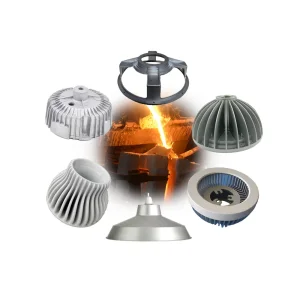
A key advantage of our factory model is our specialized tooling and material processing division. In micro-mobility lighting, heat management is crucial. This is why we operate our own high-capacity metal die-casting and CNC machining centers. Here, raw aluminum, zinc, and magnesium alloys are cast into custom light housings and structural brackets. This in-house capability speeds up prototype modifications, reduces production time, and ensures a seamless fit for custom orders.
Furthermore, our surface-mount technology (SMT) lines feature advanced automated placement systems that mount high-power LED arrays and complex driver circuits with micron-level accuracy. After assembly, every batch undergoes automated optical inspection (AOI), thermal stress testing, and integration verification to ensure the final product stands up to real-world environments.
Tailoring OEM/ODM frameworks for global micro-mobility systems, retail markets, and shared fleets.
We work closely with Electric Bike manufacturers to develop custom lighting systems that run directly off the vehicle’s main battery pack (ranging from 12V to 60V). These integrations are built with electromagnetic compatibility (EMC) in mind to prevent interference with other electronic components.
For shared scooters and transit systems, we supply impact-resistant, IP68-rated waterproof lights. Built with tough polycarbonate lenses, aluminum enclosures, and specialized mounting hardware, these lights are engineered to prevent theft, handle daily wear, and resist vandalism.
We offer global distributors end-to-end support, including custom packaging, laser-etched branding, and multi-language user guides. Our white-label designs are ready for retail, allowing partners to scale their inventory and bring products to market quickly.
Streamlining B2B importing workflows from quotation to delivery.
B2B procurement involves balancing complex logistics, quality standards, and customs regulations. Ningbo Geek Flashlight Co., Ltd. has developed structured operating procedures to support procurement managers, quality assurance leads, and supply chain directors. From your initial inquiry to final delivery, we focus on transparency, efficiency, and compliance.
We use only authentic, certified raw materials. Our high-power LED emitters are sourced directly from industry leaders like Cree, Osram, and Luminus. For driver circuits, we source high-end capacitors, microcontrollers, and integrated circuits from trusted suppliers. This prevents premature driver failure and ensures stable brightness, even under variable battery voltages.
If standard brackets or light housings do not meet your design requirements, our in-house engineering team can develop custom tooling. We can modify existing molds or mill entirely new prototypes using 3D CAD files. This flexibility is highly valued by automotive and commercial bike builders who need custom mounts for specific handlebar shapes or fork configurations.
Thanks to our logistics network in Ningbo and Shenzhen, we offer a range of shipping methods including FOB, CIF, DDP, and express air freight. Our operations team handles all export documentation, customs filings, and packaging declarations, making the importing process smooth and predictable.
Meeting global regulatory frameworks to ensure hassle-free customs clearance and consumer safety.
Entering international markets requires strict adherence to localized compliance standards. We make sure all of our products carry the certifications required by major importing regions. This dedication to quality ensures that our lighting systems meet the legal guidelines for consumer retail and integration onto road-going vehicles.
Our products are fully certified under CE (Conformité Européenne) and RoHS (Restriction of Hazardous Substances). For specialized markets, we build lighting systems that comply with Germany's strict StVZO regulations, which feature a sharp cut-off beam pattern to prevent blinding oncoming traffic.
For the United States and Canada, we offer lighting options that use UL-certified lithium-ion batteries and charging circuits. These systems undergo strict overload and thermal runaway testing to guarantee consumer safety.
Our exports to Australia and New Zealand comply with SAA standards, ensuring that all power adapters, battery chargers, and electronic components meet local electrical safety requirements.
Additionally, we run all products through internal testing before they leave the factory. This includes IPX6 & IPX7 water intrusion testing, drop tests from up to 2 meters, salt-fog corrosion testing for coastal environments, and continuous run-time analysis. We check every battery batch for capacity stability and integrate battery management systems (BMS) to protect against overcharging, deep discharge, and short circuits.
Technical answers to help buyers evaluate custom smart bicycle lighting projects.
For standard products with custom branding, our lead time typically ranges from 15 to 25 days. For complete ODM projects requiring custom CNC housings or new injection-molded components, the process takes 45 to 60 days. This includes the initial CAD design, rapid prototyping, tool building, and final mass production runs.
We use precision-molded silicone gaskets, ultrasonic welding for plastic joints, and waterproof adhesives for critical entry points. Each completed light unit is pressure-tested in our QC lab to ensure it maintains its waterproof seal under driving rain and brief water immersion.
Yes. We design custom step-down drivers that accept a wide range of input voltages (typically 12V to 60V DC). These drivers protect the LED light source from voltage spikes and prevent interference with the E-bike’s motor controller or display.
For laser-engraved logos on standard aluminum bodies, our MOQ starts at 500 units. For fully customized packaging designs, customized housing colors, or unique mounting accessories, the MOQ ranges from 1,000 to 2,000 units depending on the tooling required.
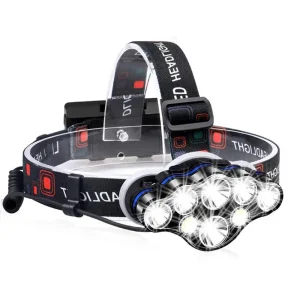
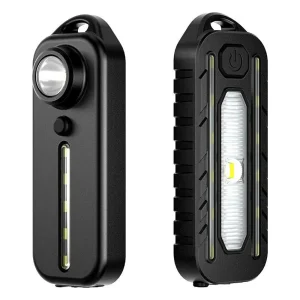
From high-intensity headlamps to precision-engineered optical hardware components.
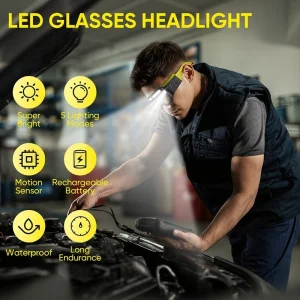
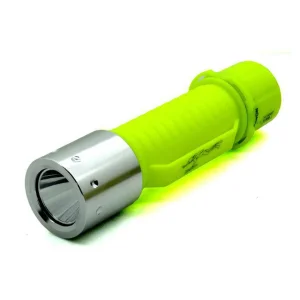
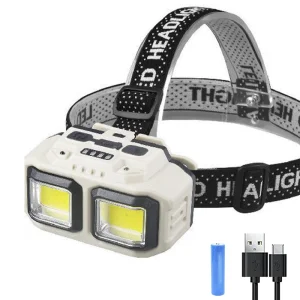
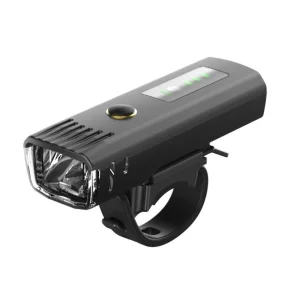
 Geek Flashlight