If you’ve ever wondered, "Why can't I get my rechargeable flashlight to charge properly?" you are not alone. Many users face this common issue. According to industry expert John Smith, "The performance of a flashlight heavily relies on battery health and connections." This insight highlights the importance of understanding the components that contribute to charging issues.
A faulty charging cable can be one culprit. If the cable shows signs of wear, it may not deliver power effectively. Additionally, inspect the charging port for debris. Dust or corrosion can disrupt the connection. Sometimes, users ignore these simple fixes.
Another factor to consider is battery age. Rechargeable batteries have a limited lifespan. Over time, their capacity diminishes. If your flashlight is older, replacing the battery might help. Mastering the basics can transform your experience. Understanding these details helps illuminate the path to a fully functional flashlight.
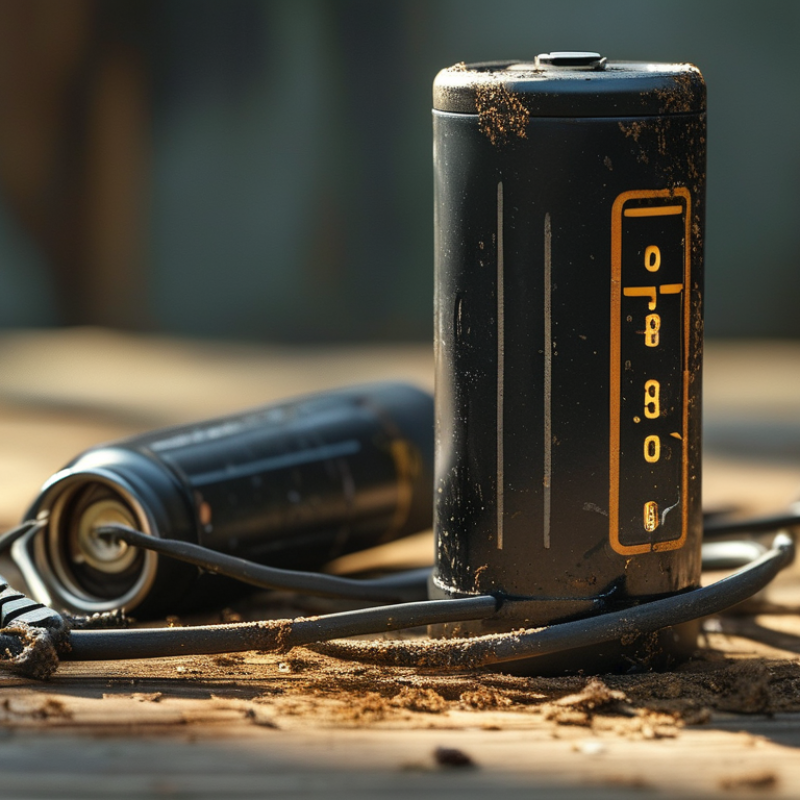
Common Signs of Charging Issues in Rechargeable Flashlights
Rechargeable flashlights are convenient tools, but they can face charging issues. There are several signs indicating your flashlight may not be charging properly.
First, if your flashlight's indicator light doesn’t illuminate, this could signal a problem. It’s essential to pay attention to this simple detail. Sometimes the light may blink, suggesting an unstable connection or failing battery.
Another common issue is a diminished runtime. If your flashlight depletes quickly, the battery might be faulty. It’s frustrating when you rely on it during emergencies. A flashlight should provide consistent performance, not leave you in the dark.
Over time, batteries can degrade, leading to charging inconsistencies. Regularly check for any unusual warmth in the battery pack after charging. Excess heat might indicate a deeper electrical issue.
Lastly, consider the charging cable and port. Dust or corrosion can inhibit charging effectiveness. A loose connection can lead to complete charging failures.
Try using a different cable or a clean port. Reflecting on these aspects can help you determine the cause of your flashlight’s charging issues.
It’s crucial to address these problems promptly to maintain reliable functionality.
Key Components Affecting Rechargeable Flashlight Charging Efficiency
When a rechargeable flashlight fails to charge properly, several key components may be at play. One of the most crucial factors is the battery itself. Over time, batteries degrade. A worn-out battery may not hold charge well, leading to frustrating charging experiences. Checking the battery's health can save you time and money.
Another vital component is the charging port. Dust and debris can accumulate, impeding connection between the charger and flashlight. Ensure the port is clean to facilitate efficient charging. Additionally, inspect the cable and charger for any signs of wear. Frayed cables or damaged chargers can significantly impact charging efficiency.
Lastly, temperature can affect charging performance. Extreme temperatures may hinder the charging process. Charging in a cool, dry place is ideal. It's also essential to consider whether the flashlight has built-in smart features. These can improve charging efficiency but may also complicate troubleshooting. Regular maintenance and close observation of these components can greatly enhance your flashlight's longevity and performance.
Impact of Battery Type on Charging Performance in Flashlights
When it comes to rechargeable flashlights, the type of battery can significantly affect charging performance. Lithium-ion batteries are widely popular due to their high energy density and rechargeable capabilities. However, not all lithium-ion batteries perform equally. The quality and design of the battery can lead to differences in charging times and longevity. Some might charge quickly but deplete just as fast.
Nickel-metal hydride (NiMH) batteries are another option, often favored for their safety and environmental benefits. While they may not hold a charge as long as lithium-ion, they perform well in specific conditions. Nonetheless, they might require a more extended charging period. Users often overlook these differences. Many assume all batteries are alike, leading to frustration when a flashlight fails to charge correctly.
It's essential to monitor the health of your flashlight battery. Over time, batteries can degrade, affecting their performance. Users should document their experiences with different batteries. Tracking charging patterns can reveal insights into which type works best with their flashlights. By applying this knowledge, flashlight users can achieve better reliability and performance.
Environmental Factors That May Impede Flashlight Charging
When using a rechargeable flashlight, environmental factors can seriously affect charging. Humidity is a key player. Excess moisture can lead to internal corrosion, disrupting the connection within the device. If your flashlight sits in a damp area, it may struggle to charge properly. It's crucial to store it in dry conditions.
Temperature also impacts charging efficiency. Extreme heat can damage the battery, while cold may slow down charging. If the flashlight sits in a car on a hot day, the battery might overheat. In winter, a frozen battery could prevent proper charging. Pay attention to the surrounding temperature. Proper storage conditions make a difference.
Lastly, dust and dirt can accumulate in charging ports. This buildup can hinder the charging process. Regular cleaning can help maintain functionality. Use a soft cloth or compressed air to remove debris. Sometimes, overlooking these simple details can cause frustration when your flashlight won't charge.
Best Practices for Maintaining Optimal Charging Conditions for Flashlights
When it comes to rechargeable flashlights, maintaining optimal charging conditions is crucial. Many users face issues with charging because of improper practices.
For instance, always ensure the connections are clean. Dust and dirt can hinder the charging process. A quick wipe with a dry cloth can resolve this.
Temperature is another key factor. Extreme cold or heat can affect battery performance. Ideally, store and charge your flashlight in a cool, dry place.
If the flashlight feels unusually hot during charging, it might be wise to unplug it. Taking these simple steps can significantly improve its lifespan and reliability.
Over time, rechargeable batteries can lose capacity. Although it may not be obvious, age plays a role. If the flashlight keeps failing to hold a charge, consider its age.
Some users might hesitate to replace old batteries. A new battery can restore the flashlight’s performance, ensuring it shines bright when you need it most.
Remember, proper maintenance today leads to a reliable light tomorrow.
FAQS
: If the indicator light doesn't illuminate, there may be issues. A blinking light indicates unstable connections or a failing battery.
A diminished runtime may suggest a faulty battery. Batteries degrade over time, leading to inconsistent performance.
Regularly check for warmth in the battery pack after charging. Excessive heat indicates potential problems.
Inspect for dust or corrosion. A clean port can improve connection. Try using a different cable if necessary.
Extreme temperatures can hinder charging. Hot environments may damage batteries, while cold conditions can slow down the process.
The battery is crucial for performance. Worn-out batteries may struggle to hold a charge, causing frustration.
Close observation and maintenance of components can enhance longevity and performance. Simple checks can prevent bigger issues.
Excess moisture can cause internal corrosion, disrupting the charging process. Store your flashlight in dry conditions.
Clean the charging port regularly and ensure optimal temperature conditions. Careful storage makes a difference.
Consider checking the battery, cable, and port for damage and clean debris. Sometimes, the simplest solutions are overlooked.
Conclusion
When grappling with the question, "Why can't I get my rechargeable flashlight to charge properly?", it's essential to consider several factors. Common signs of charging issues may include the flashlight not turning on, flickering lights, or very slow charging. These problems can stem from key components such as the charger, battery contacts, or the flashlight's internal circuitry, all of which significantly affect charging efficiency.
Additionally, the type of battery used plays a crucial role in performance; lithium-ion batteries, for instance, can offer better charging capabilities than nickel-based alternatives. Environmental conditions, like extreme temperatures or humidity, can also impede charging. To maintain optimal charging conditions for your flashlight, it's advisable to store it in a cool, dry place, regularly clean battery contacts, and monitor the battery's health. Following these best practices can help address and resolve charging issues effectively.

 Geek Flashlight