When cycling at night, visibility is crucial. Cyclists need to ensure they can see and be seen. Thus, understanding "What is the ideal brightness level for a flashlight used for cycling?" becomes essential. Many assume brighter is always better. However, this belief can lead to glare and disorientation.
A flashlight's brightness is measured in lumens. For cycling, a range of 200 to 800 lumens is often recommended. This level provides a good balance for most scenarios. Less than this may not illuminate the path adequately, especially on dark trails. More than this could overwhelm your own vision and blind oncoming traffic.
Consider the environment you ride in. Urban settings often have streetlights, so lower lumens may suffice. In contrast, rural trails might demand brighter lights for safety. It's also important to consider battery life and light modes. Features like flashing or different strength settings can be beneficial during rides. Reflecting on these aspects ensures your flashlight enhances your cycling experience.
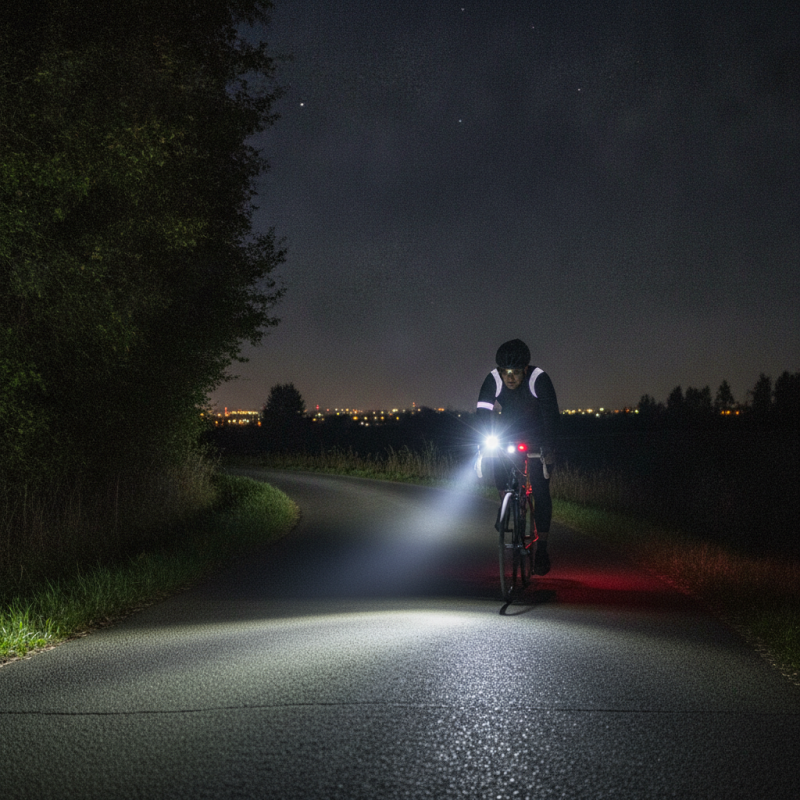
Understanding the Importance of Brightness in Cycling Flashlights
When it comes to cycling, having the right flashlight brightness is essential. The ideal brightness can vary based on where you ride. Many cyclists might not realize that less light doesn’t necessarily mean less safety. A well-placed dim light can illuminate your path without causing glare for oncoming traffic.
Understanding brightness levels is crucial. Typically, a range of 200 to 1000 lumens suits most biking conditions. A mountain trail may require higher brightness, while urban riding often benefits from lower lumens. Too much brightness can blind other cyclists or drivers. This requires careful consideration of your riding environment and personal safety.
Without the right brightness, problems arise. Cyclists can miss obstacles or turn hazards into dangers. Yet, many choose lights based solely on brightness without considering beam patterns or runtime. This oversight can lead to dissatisfaction. Choosing poorly can also be a reflection of the cycling community’s lack of awareness about technology details. Riders should prioritize finding a balance between brightness and practicality.
Recommended Brightness Levels for Different Cycling Conditions
When cycling, visibility is crucial for safety. Different conditions require varied brightness levels for cycling flashlights. In urban settings, a brightness of 200-400 lumens is typically sufficient. This range provides clear visibility without blinding oncoming traffic.
In low-light or rural areas, where light pollution is minimal, consider increasing brightness to 600-800 lumens. This ensures obstacles are visible at a greater distance. Brightness is critical for safety, but it can also drain battery life quickly. Finding a good balance is key, so consider flashlights with adjustable settings.
For night rides, remember that too much brightness can create glare. Reflecting off wet surfaces may reduce visibility. It's vital to test your flashlight in various conditions to understand its performance. Each cyclist's preference may differ, reflecting personal needs and experiences.
Factors Affecting Ideal Brightness for Cyclists
When it comes to cycling flashlights, several factors can affect the ideal brightness level for cyclists. One critical aspect is the environment in which cyclists ride. Urban areas often have more ambient light, requiring lower brightness compared to dark rural roads. According to a report by the International Bicycle Fund, cyclists in well-lit areas may benefit from lights in the range of 200 to 400 lumens. However, this is only effective if the times of day and conditions are factored in.
Battery life is another important element. High-powered lights can drain batteries quickly, limiting the time cyclists can ride safely. Industry studies suggest that a balance of 600 lumens may be ideal for off-road riding, yet only for a brief period. A lighter light with around 300 lumens can provide sustained visibility while conserving battery power. It reiterates the need for cyclists to assess their riding conditions regularly.
Finally, personal preference varies greatly among cyclists. Some value the ability to see distant obstacles, prompting a desire for more lumens. Others may prioritize being seen by motorists, where a lower brightness suffices. This highlights the subjective nature of brightness needs. In practice, cyclists often need to reevaluate their flashlight choices based on changing conditions, personal experiences, and emerging technologies in cycling safety.
Choosing the Right Type of Light for Brightness Needs
Choosing the right type of light for cycling is crucial. Brightness levels can vary widely among different cycling flashlights. Understanding your environment is key. Riding on paved roads requires different brightness than cycling on dark trails. A good general brightness is around 200 to 800 lumens.
When selecting a light, consider the beam pattern. A narrow beam focuses light on a small area, ideal for fast speeds. A wide beam spreads light over a larger area, which is safer for slower rides. Many cyclists overlook the difference. It’s important to test the light in various conditions. You may find that your initial choice isn't as effective as you thought.
Battery life and ease of use are also factors. A bright light can be useless if the battery drains too quickly. Some lights have adjustable brightness settings. This can help conserve battery life for longer rides. Reflect on your needs regularly. What worked last summer might not suit today’s ride. Adjusting to new conditions can enhance your cycling experience significantly.
Tips for Adjusting Brightness for Safe Night Cycling
When cycling at night, choosing the right brightness level for your flashlight is essential for safety. Research shows that a brightness of 300 to 500 lumens is ideal for most urban environments. This level ensures you can see obstacles clearly, while also not blinding oncoming traffic. Many cyclists underestimate the importance of being visible. A flashlight that is too dim can lead to accidents.
Adjusting the brightness can significantly impact your night riding experience. In low-light areas, a lower brightness setting might suffice. However, in well-lit urban settings, a higher output can help you spot potential hazards. Studies reveal that cyclists using adjustable flashlights tend to report higher satisfaction with their rides. Additionally, using a strobe mode can enhance your visibility further. Key factors include adjusting based on your surroundings.
It’s essential to consider battery life. High luminosity drains batteries quickly, leaving you in the dark. Balancing brightness and battery longevity is crucial. Review your riding habits and assess how often you'll ride at night. This reflection can guide your flashlight choices and ensure safer rides. Aim for a solution that provides sufficient brightness without risk.
Ideal Brightness Level for Cycling Flashlights Tips
| Condition |
Recommended Brightness (Lumens) |
Distance (Meters) |
Usage Tips |
| Urban Streets |
100 - 200 |
30 - 50 |
Use a medium setting to avoid blinding others. |
| Bike Trails |
200 - 500 |
50 - 100 |
Use higher brightness to spot obstacles and see further ahead. |
| Rural Roads |
300 - 800 |
100 - 200 |
Use bright lights to enhance visibility in low-light areas. |
| Mountain Trails |
500 - 1000 |
200+ |
Utilize max brightness for unmarked trails and terrain changes. |
| City Parks |
150 - 300 |
30 - 70 |
Keep light low as parks can have ambient lighting. |
FAQS
: Generally, a brightness of 200 to 1000 lumens is suitable for most biking conditions.
Mountain trails often need higher brightness, while urban areas benefit from lower lumens to avoid glare.
The beam pattern determines how focused or spread out the light is, affecting visibility and safety.
Yes, excessive brightness can blind other road users and reduce overall safety.
Bright lights can drain batteries quickly, so it’s essential to find a balance between brightness and battery life.
Cyclists should reflect on their riding conditions, beam patterns, and battery performance before making a choice.
Test your flashlight in various conditions to understand its performance and ensure it meets your needs.
Yes, adjusting brightness for specific conditions can improve safety and experience on the road.
Regularly reflect on your needs, as conditions may change and affect the effectiveness of your flashlight.
Many choose lights based only on brightness, potentially leading to safety issues and dissatisfaction.
Conclusion
When considering "What is the ideal brightness level for a flashlight used for cycling?", it's essential to understand that the appropriate brightness can significantly enhance safety and visibility during rides. Recommended brightness levels vary depending on cycling conditions; for instance, urban environments require around 200-500 lumens, while off-road cycling may demand brighter lights exceeding 1000 lumens to illuminate rough terrain.
Several factors influence the ideal brightness for cyclists, including weather conditions, time of day, and the cyclist's speed. Choosing the right type of light also plays a crucial role, as some conditions may benefit from focused beams, while others require wider spread lighting. Additionally, cyclists should consider tips for adjusting brightness levels based on their surroundings to ensure optimal visibility without causing discomfort to others. Ultimately, a well-chosen flashlight can greatly enhance the cycling experience while ensuring safety on the road.

 Geek Flashlight