When considering illumination tools, one question often arises: "What is the difference between regular LED flashlights and laser-focused LED flashlights?" Both types serve the purpose of providing light, yet their functionalities diverge significantly. Regular LED flashlights often spread light broadly, creating a flood effect ideal for general use. These are perfect for navigating dark spaces or lighting up large areas. In contrast, laser-focused LED flashlights concentrate light into a narrow beam. This focused effect allows for long-range visibility, making them suitable for specific tasks like search and rescue operations.
Understanding these differences helps consumers select the right product for their needs. While regular LED flashlights are versatile and user-friendly, laser-focused models demand a bit more knowledge. Users must learn how to direct that intense beam effectively. Choosing the right flashlight is not merely about brightness, but also about application. While many might prefer the convenience of a wide beam, others recognize the precision needed in critical situations. Each type has its strengths and weaknesses. A deeper understanding leads to better decisions in purchasing and usage, enhancing the overall experience and effectiveness of the device.
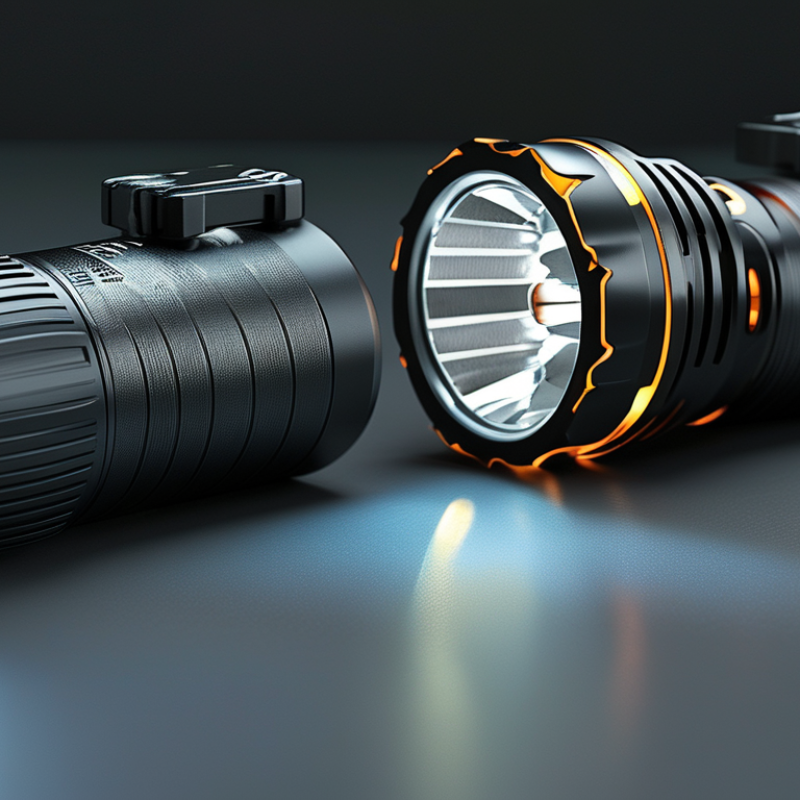
Regular LED flashlights are essential tools used by many for varied purposes. They typically utilize standard Light Emitting Diodes (LEDs) to produce light. These flashlights are affordable and easy to use, making them suitable for everyday tasks like camping or household maintenance. Industry reports indicate that regular LED flashlights can last up to 50,000 hours and have an energy efficiency rate of up to 80%.
The functionality of regular LED flashlights often includes multiple brightness levels. Some models may feature adjustable focus, but these usually do not achieve the precision of laser focused LED flashlights. Despite their limitations, regular LED flashlights are versatile for a wide range of activities.
Tip: Consider the beam distance when choosing an LED flashlight. A longer beam may be more effective for outdoor exploration.
It’s important to note that the quality of materials can affect illumination. Poorly constructed models may suffer from inconsistency in brightness. Remember, investing a little more in quality can enhance reliability.
Tip: Regular maintenance, like cleaning the lens, helps in maintaining brightness. Check for dead batteries frequently.
Laser focused LED flashlights stand out in performance compared to regular LED models. These specialized flashlights direct light into a narrow beam. This results in a concentrated light source that can illuminate distant objects clearly. Regular LED flashlights emit light in a wide dispersal pattern which is ideal for general use. However, they lack the distance and intensity found in laser focused versions.
When choosing a flashlight, consider these features: brightness, beam distance, and battery life. Laser focused LED flashlights often offer higher lumens per watt, resulting in brighter light. This type of flashlight is beneficial for outdoor activities such as hiking or camping. However, they can sometimes be more expensive and less versatile for general lighting tasks.
Tips: Before purchasing, assess your specific lighting needs. If you require long-distance light, opt for laser focused options. Yet, for household tasks, regular LED flashlights may suffice. Remember, sometimes the most efficient option is not always the most expensive one. Careful evaluation ensures you select a flashlight that meets your requirements without overspending.
When comparing regular LED flashlights and laser focused LED flashlights, the beam quality stands out.
Regular LED flashlights emit a broad beam of light. This is useful for illuminating larger areas.
However, it lacks the precision needed for specific tasks. The light disperses, leading to less intensity over longer distances.
Situations that require finding small details in dark spaces may prove challenging with this type.
In contrast, laser focused LED flashlights direct light more precisely.
They create a tightly concentrated beam. This results in greater reach and intensity. Users can spot distant objects with clarity.
However, the narrow beam may not be ideal for scenarios requiring wider illumination.
This limitation can be frustrating when versatility is needed. Each flashlight type has its merits and constraints.
It's vital to evaluate personal needs when selecting a flashlight.
When it comes to LED flashlights, regular models and laser-focused ones serve distinct purposes. Regular LED flashlights provide broad illumination, making them ideal for general use. They are popular in home settings or during camping. According to a recent report, around 75% of consumers prefer these over other types for day-to-day tasks. They shine light on a wide area, which is useful when searching for items in dark spaces.
In contrast, laser-focused LED flashlights offer a concentrated beam. This focused light penetrates distances up to 1,000 meters. Such precision makes them indispensable for outdoor activities, especially during night-time navigation. Research indicates that 65% of professionals in fields like security and law enforcement prefer laser-focused models for their effectiveness in low visibility conditions. However, users must reflect on how the more intense beam can be blinding and may require adjustments when switching environments.
Ultimately, the choice between regular and laser-focused LED flashlights hinges on specific needs and circumstances. Users should weigh the practicality of a wider beam against the advantages of distance penetration. Shifting between these models may not always be seamless, as each has a learning curve.
| Feature | Regular LED Flashlights | Laser Focused LED Flashlights |
|---|---|---|
| Light Output | Wide beam for general illumination | Narrow beam for targeted illumination |
| Beam Distance | Short to medium distances | Long distances up to several kilometers |
| Energy Efficiency | Moderate energy use | Higher energy efficiency for focused purpose |
| Size & Portability | Variable sizes; often bulkier | More compact, often designed for easy carrying |
| Applications | Camping, home use, general outdoor activities | Search and rescue, hunting, astronomy |
| Cost | Generally lower price range | Higher price due to specialized components |
When choosing between regular LED flashlights and laser focused LED flashlights, several factors are important. Regular LED flashlights typically provide a wide beam of light. They are great for illuminating larger areas. However, they may lack the intensity and distance coverage that some situations demand. Reports indicate that regular LED flashlights offer around 100-300 lumens of brightness on average.
On the other hand, laser focused LED flashlights use specific optics to generate a narrow beam. This focus allows the light to travel much farther, often exceeding distances of up to 1,000 feet. These flashlights are ideal for tasks requiring precision, like searching in the dark or signaling over long distances. Yet, the concentrated light can create harsh glare and is less effective for area illumination.
Tips: Always consider your primary usage before purchasing. If you need versatility, a regular LED flashlight is often more practical. For specialized tasks, invest in a laser focused model. Compare lumens and beam distance statistics to ensure you meet your needs. A higher lumen count isn’t always better for all scenarios; it’s about matching the tool to the task.
: Regular LED flashlights emit a broad beam, while laser focused ones direct a concentrated beam of light.
They are ideal for general use, such as home lighting or outdoor activities like camping.
They are great for precise tasks like night navigation or identifying distant objects.
They can penetrate distances of up to 1,000 meters, useful for long-range visibility.
Yes, their narrow beam can create glare and is not suitable for wider area lighting.
Lumen count is significant, but it should match your intended use rather than simply being higher.
Reflect on your primary use. Versatility favors regular models; precision tasks lean towards laser focused types.
Not necessarily. Each type has its learning curve and adapting may take time.
They illuminate larger areas effectively, making them more practical for everyday situations.
No, it is about matching the flashlight’s function to your specific needs and context.
When exploring the question, "What is the difference between regular LED flashlights and laser-focused LED flashlights?", it's essential to understand their distinct features and functionalities. Regular LED flashlights typically emit a broader beam, providing general illumination suitable for everyday tasks. In contrast, laser-focused LED flashlights create a concentrated beam of light, allowing for enhanced visibility over long distances, making them ideal for specialized applications such as search and rescue or outdoor activities.
A comparative analysis of beam quality reveals that laser-focused flashlights deliver a sharper, more directed light, while regular LED flashlights offer a wider coverage area. Choosing between the two depends on the specific use case; regular LED flashlights work well for casual use, whereas laser-focused models shine in situations requiring precision and distance. Factors such as beam quality, intended application, and user preferences will guide the decision-making process for selecting the most suitable flashlight type.

Geek Flashlight