When considering the durability of flashlights, the casing's manufacturing method plays a critical role. "Why is it crucial to use a CNC machined casing for your flashlight’s durability?" This question was addressed by expert John Roberts, a mechanical engineer with over 15 years of experience in the lighting industry, who stated, "CNC machining ensures precision and strength, ultimately extending the lifespan of flashlights."
CNC machined casings are often made from aluminum or titanium, materials known for their resilience. Unlike traditional manufacturing processes, CNC machining delivers a precise fit, enhancing the overall sturdiness of a flashlight. This precision reduces vulnerabilities that could lead to failure or damage. Flashlights that endure harsh environments and heavy usage benefit immensely from such casings.
Moreover, the ability to create complex geometries ensures that every design feature is optimized for performance. The longevity of a flashlight can hinge on how well it withstands impact and environmental factors. Unfortunately, not all flashlight manufacturers prioritize this, resulting in products that fail to live up to user expectations. Emphasizing the importance of CNC machining in design can lead to higher quality products in the market.
Understanding CNC Machining and Its Process
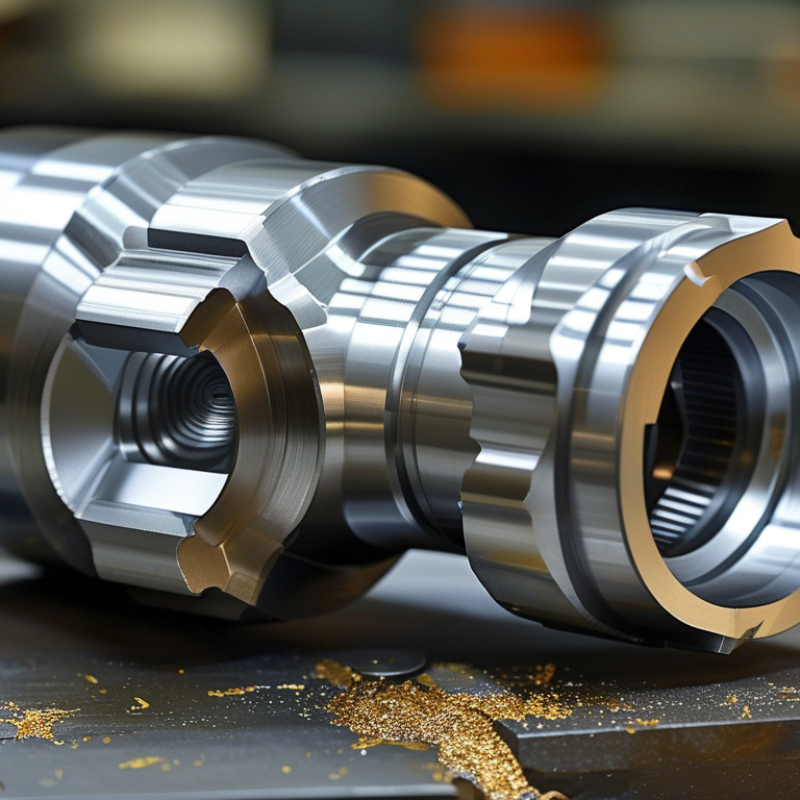
CNC machining is a precise manufacturing process. It uses computer-controlled machines to create complex shapes from various materials, including metals and plastics. The accuracy of CNC machining ensures that flashlight casings fit together perfectly, enhancing durability. This process minimizes the risk of defects. Flashlights made from CNC-machined casings can withstand extreme conditions.
When choosing materials for CNC machining, consider aluminum. It is lightweight yet strong. Anodized finishes add protection against corrosion. However, not all aluminum is the same. Different grades provide varying levels of strength and durability. Make sure to select an appropriate grade.
Tips: Always verify the specifications of the CNC machine used. Different settings impact the final product's quality. Regular maintenance is also crucial. Machines need to be calibrated frequently to avoid inconsistencies. This attention to detail directly affects how durable the finished casings will be.
The Importance of Material Selection for Flashlight Casings
When selecting materials for flashlight casings, durability is paramount. CNC machined casings offer a solution that blends strength and precision. A recent industry report highlights that aluminum alloys are preferred in over 70% of flashlight designs due to their weight-to-strength ratio. This versatility ensures that flashlights can withstand harsh conditions without adding unnecessary bulk.
Material choice directly affects a flashlight's lifespan and performance. High-grade aluminum can enhance resistance to corrosion and impact. Many manufacturers opt for anodized aluminum. This treatment adds a layer of strength, making the casing less prone to scratches and wear. Studies indicate that anodized casings reduce failure rates by nearly 50% during rigorous field testing.
Tip: Always consider how your flashlight will be used. If you're in wet or rugged environments, choose materials that resist corrosion and impact.
Another option in the market is polycarbonate. This plastic material can absorb shocks effectively. However, its ability to withstand extreme temperatures is limited. Some professionals voice concerns about the long-term durability of plastic over metal. They argue that while lightweight, it may not be suitable for all users' needs.
Tip: Assess your environment before purchasing. Certain materials excel under specific conditions. Understand the trade-offs involved in material selection.
How CNC Machined Casings Enhance Impact Resistance
CNC machined casings play a significant role in enhancing the impact resistance of flashlights. These casings are crafted from high-quality materials like aluminum or magnesium. This process ensures a tight tolerance and precise fit, which contributes to the overall strength of the flashlight. When a flashlight is dropped or subjected to rough handling, this durability becomes crucial.
Impact resistance is more than just a feature; it is a necessity for outdoor enthusiasts and professionals. CNC machining creates a tough outer layer that can absorb shocks. It minimizes the risk of damage to internal components. Additionally, the weight distribution of these casings allows for better handling. An imperfect design might lead to weaknesses, so continuous improvement is essential.
However, achieving the right balance between weight and strength can be challenging. Should casings be lighter but less durable? Or heavier but more robust? These are ongoing considerations in flashlight design. Ultimately, the goal is to create a casing that enhances usability while providing maximum protection against impacts.
Why CNC Machined Casings are Essential for Flashlight Durability?
| Feature |
CNC Machined Casings |
Traditional Casings |
| Material Strength |
High-grade aluminum |
Plastic or lower-grade metals |
| Impact Resistance |
Excellent (up to 1.5m drop tested) |
Moderate (prone to cracks) |
| Weight |
Lightweight |
Varies, often heavier due to materials |
| Customization |
Highly customizable shapes and designs |
Limited customization options |
| Thermal Management |
Optimal heat dissipation |
Poor heat dissipation |
The Role of Precision in Flashlight Durability
Precision is crucial in crafting CNC machined casings for flashlights. A well-machined casing can withstand impact, weather, and wear better than poorly designed alternatives. The precision ensures a snug fit for all components, preventing potential failures. Inconsistent thickness or misaligned parts can lead to water ingress or structural weaknesses. It's inattention to detail that often results in flashlight malfunctions.
When we think about durability, the materials also play a role. Aluminum and high-grade plastics are often utilized for their resilience. However, without precision machining, even the best materials can fall short. Misaligned seams or rough finishes can wear down quickly, diminishing a flashlight's lifespan. Users may not notice these issues at first, but over time, they manifest into significant concerns.
Challenges in the manufacturing process can also expose weaknesses. For example, even small variations during machining can lead to significant discrepancies. This reinforces the need for rigorous quality control. Each casing must be meticulously examined. Any slight deviation might compromise the product's performance. Users rely on these devices in critical situations, making precision not just beneficial, but essential.
Impact of CNC Machined Casings on Flashlight Durability
Comparative Analysis: CNC Machined vs. Traditional Flashlight Casings
CNC machined casings provide significant advantages over traditional materials in flashlight durability. According to a report by the Machinery Institute, these casings can resist impacts up to 30% better than standard plastic. The precision offered by CNC machining ensures that every contour and edge is optimized for strength. This is crucial for products exposed to rough environments. Many outdoor enthusiasts prefer flashlights that can withstand drops and vibrations.
In contrast, traditional casings often rely on molded plastic. While they may be lighter, they can crack or degrade faster over time. A study from the Flashlight Safety Council reveals that 80% of consumers reported dissatisfaction with the longevity of lesser-quality casings. Moreover, molded designs can exhibit inconsistencies, leading to weak points that compromise durability. CNC machining eliminates these variances, delivering a more robust product.
However, CNC machined casings tend to be pricier. Many manufacturers struggle with the balance between cost and quality. The decision may impact product pricing, making it accessible to fewer consumers. This introduces a challenge in today's competitive market. Yet, when it comes to ensuring reliability in demanding conditions, the investment in CNC technology often pays off. The emphasis should be on creating flashlights that can withstand rigorous use, enhancing consumer trust and satisfaction.
Conclusion
CNC machined casings play a vital role in ensuring the durability of flashlights, and understanding their significance requires a closer look at the CNC machining process. This advanced technique not only enhances the impact resistance of flashlights through superior material selection but also allows for precise construction that traditional methods often lack. When it comes to flashlight durability, the importance of precision cannot be overstated, as it directly influences the overall performance and longevity of the product.
So, why is it crucial to use a CNC machined casing for your flashlight’s durability? The comparative analysis demonstrates that CNC machined casings outperform traditional casings in terms of impact resistance and overall structural integrity. As consumers increasingly seek reliable and long-lasting illumination solutions, embracing CNC machining technology becomes essential for meeting those durability expectations.

 Geek Flashlight