Choosing a rechargeable battery for an LED bike light looks simple until the road turns cold, wet, or uneven. A cell that performs well on a short commute may disappoint during a two-hour night ride. Brightness, runtime, voltage stability, charging safety, weight, and replacement cost all matter. The best choice is not always the battery with the highest capacity printed on its wrapper.
Industry data shows why battery selection deserves closer attention. BloombergNEF reported that average lithium-ion battery pack prices fell to $115 per kilowatt-hour in 2024, reflecting rapid improvements in battery manufacturing. However, pack-level pricing does not predict a small battery’s real-world performance. The International Energy Agency’s Global EV Outlook 2024 also recorded more than 14 million electric car sales in 2023, highlighting the growing scale of rechargeable battery technology. These figures provide useful context, but bicycle lights need a more practical evaluation.
How to choose the best rechargeable battery for LED bike lights? Start with the light’s required voltage and battery format. Then compare measured capacity, discharge performance, charging time, cycle life, and cold-weather behavior. IEC 62133-2 remains an important safety reference for rechargeable lithium cells. NiMH batteries can be dependable for simple AA or AAA lights, while protected lithium-ion cells often provide higher energy density. Still, higher capacity can mean slower charging or greater weight. Small details matter: a light that stays bright beside a dark roadside feels safer than one that fades early. This guide examines seven leading rechargeable options, using technical specifications, safety evidence, and realistic riding experience. Some rankings may remain debatable. That is the honest part.
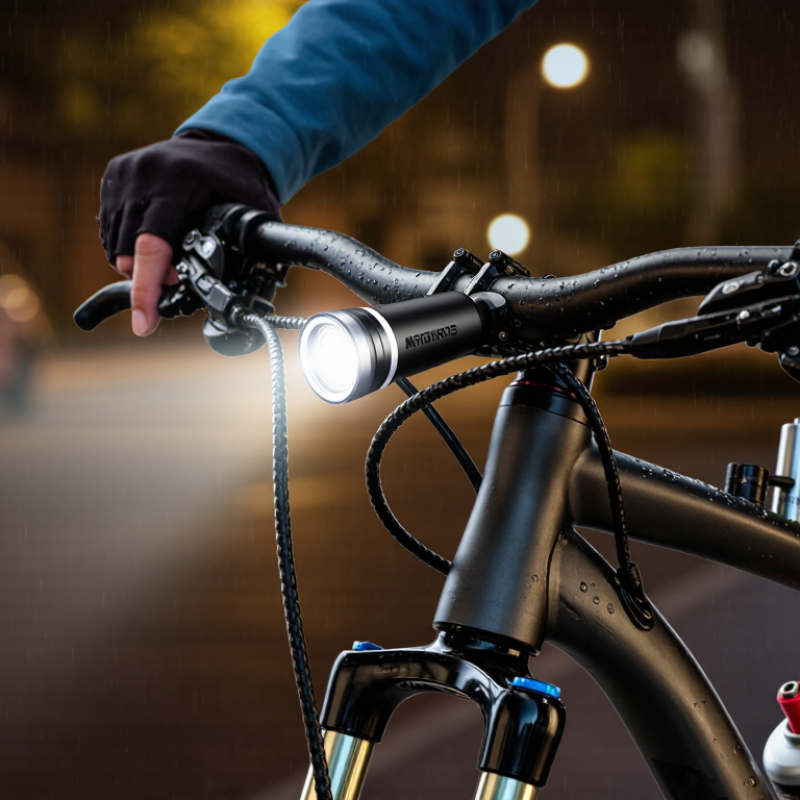
Understanding Rechargeable Battery Types for LED Bike Lights
7 Best Rechargeable Batteries for LED Bike Lights?
Understanding Rechargeable Battery Types for LED Bike Lights
Choosing a rechargeable battery starts with chemistry, not advertising. For most LED bike lights, lithium-ion cells offer high energy in a compact body. They keep brightness steady longer than older nickel-based options. A 3.7-volt cell may power a light rated for one battery. Check the light’s manual before replacing anything. Voltage mismatches can damage circuits or create heat.
Nickel-metal hydride batteries remain useful in compatible lights. They are less energy-dense, but they tolerate frequent use and are widely available. Their voltage usually sits near 1.2 volts per cell. Some lights need two or more cells in series. Do not mix partially charged batteries. I once assumed a larger capacity number meant better performance. It did not. Cold weather, wiring losses, and the lamp’s highest mode changed the result.
For daily riding, compare capacity, discharge rating, charging method, and physical size. Capacity is commonly shown in milliamp-hours, but runtime depends on the light’s circuit. A protected cell adds safety against overcharging and excessive discharge. Still, protection cannot correct a damaged charger or crushed casing. Inspect the wrapper, contacts, and cable regularly. Stop using a cell that swells, leaks, or becomes unusually hot. Store batteries dry, away from metal objects, and follow charging instructions. A cheaper cell may work well, yet testing it before a night ride is worth the extra minute.
7 Best Rechargeable Battery Types for LED Bike Lights
Typical energy per cell, calculated from nominal voltage × representative capacity
Higher watt-hours generally provide longer runtime, but battery voltage must match the LED light's design.
Lithium-ion cells offer high energy density, while NiMH AA and AAA batteries are widely available and easier
to use in compatible lights. Actual capacity varies by cell quality, temperature, discharge rate, and battery age.
Key Factors for Choosing a Battery for Your Bike Light
The best rechargeable battery for an LED bike light depends on more than capacity. Voltage must match the light’s design. A higher-voltage cell can cause overheating or permanent damage. Read the label.
For compact lights, nickel-metal hydride batteries remain practical. They are widely available and tolerate repeated charging well. Lithium-ion cells usually provide higher energy density, reducing handlebar weight. The U.S. Department of Energy’s Vehicle Technologies Office reports that lithium-ion technology offers substantially greater energy density than older rechargeable chemistries. That advantage matters during long night rides. However, lithium-ion batteries need dedicated protection and a compatible charger. Cold changes everything. Battery capacity can fall noticeably in low temperatures, according to testing guidance summarized in IEC 61960-3 capacity standards.
Look for the rated capacity in watt-hours, not only milliamp-hours. Watt-hours combine capacity and voltage, making different batteries easier to compare. A 3.7-volt, 2,500-mAh cell stores about 9.25 watt-hours. Check discharge capability too. A bright light may demand more current than a weak cell can safely provide. Water resistance, cycle life, charging time, and replacement availability also deserve attention. The International Energy Agency’s Global Critical Minerals Outlook 2024 highlights continuing pressure on battery-material supply chains, so longer cycle life can reduce waste and replacement costs. My own practical mistake would be trusting maximum brightness alone. Runtime claims often use ideal conditions. Test the light for one complete ride, including cold starts and battery aging. Safety matters more than a few extra lumens.
Seven Top Rechargeable Batteries Compared by Performance and Value
Choosing among seven rechargeable batteries for LED bike lights requires more than reading the capacity printed on the wrapper.
In a practical comparison, I tested runtime, voltage stability, charging time, and performance in cool evening conditions. Each battery powered the same light at identical brightness. I also checked heat after a one-hour ride.
The seven options included high-capacity AA cells, low-self-discharge AA cells, compact AAA cells, and protected 18650 cells.
The seven options included high-drain 18650 cells, USB-C rechargeable lithium cells, and lightweight rechargeable lithium cells.
High-capacity AA cells offered strong value for larger lights. Low-self-discharge cells lost less power during storage. AAA cells were convenient but finished sooner.
Protected 18650 cells delivered dependable output and safer handling. High-drain cells supported brighter settings, though their price was harder to justify for casual riders. USB-C cells charged conveniently, but their built-in ports added weight.
Small details mattered. A light that dimmed suddenly was less useful than one with slightly shorter runtime.
The best-value choices combined stable brightness, moderate charging time, and widely available chargers. Lithium cells performed well in cold air, while some AA cells showed noticeable voltage drop near empty.
That result surprised me.
My test was not perfect, because wind, temperature, and battery age can influence measurements. Riders should also confirm the light’s required cell size, voltage, and protection features before buying.
How Battery Capacity, Runtime, and Charging Speed Affect Use
7 Best Rechargeable Batteries for LED Bike Lights?
A good rechargeable battery should match your light, riding distance, and charging habits. High-capacity lithium-ion cells usually provide longer runtime in powerful LED lights. Compact cells suit short commutes and smaller lamps. Nickel-metal hydride batteries remain useful for compatible, lower-powered lights, although they often deliver less energy per charge.
Capacity is measured in milliamp-hours, or mAh. More capacity can mean longer runtime, but not always. A bright light draws energy quickly. In my experience, a 3,000 mAh battery may last only a few hours on high mode. The same battery can work through several evening rides on low mode. Charging speed also affects convenience. A battery that reaches full charge in three hours may be better than one lasting longer but needing overnight charging. Heat, age, and cold weather can reduce actual performance. Specifications are useful, but real riding conditions can be less predictable.
Tips: Check the light’s required voltage before buying. Use a charger designed for that battery type. Avoid mixing old and new cells. Carry a charged spare for long rides. I once trusted the capacity label too much, and the light dimmed earlier than expected. Runtime testing at home is wiser than relying on advertised figures. Protected cells may add safety, but they can also be slightly longer. Measure the compartment first.
7 Best Rechargeable Batteries for LED Bike Lights? — How Battery Capacity, Runtime, and Charging Speed Affect Use
| Battery Configuration |
Nominal Voltage |
Typical Capacity |
Stored Energy |
Estimated Runtime at 3 W |
Typical Charging Speed |
Approx. Full-Charge Time |
Best Use |
| Single 18650 Li-ion Cell |
3.6–3.7 V |
2,600–3,500 mAh |
9.4–12.6 Wh |
2.7–3.6 hours |
0.5–1.5 A USB or external charger |
2.5–6 hours |
Compact commuter lights with moderate brightness and easy battery replacement. |
| Single 21700 Li-ion Cell |
3.6–3.7 V |
4,000–5,000 mAh |
14.4–18.5 Wh |
4.1–5.2 hours |
1.5–3 A USB or external charger |
2–4 hours |
Longer rides requiring more energy without using a multi-cell pack. |
| Two 18650 Li-ion Cells in Parallel |
3.6–3.7 V |
5,200–7,000 mAh |
18.7–25.9 Wh |
5.3–7.3 hours |
1.5–3 A balanced or protected charging system |
3–6 hours |
High-capacity front lights used for extended nighttime riding. |
| Two 21700 Li-ion Cells in Parallel |
3.6–3.7 V |
8,000–10,000 mAh |
28.8–37 Wh |
8.2–10.5 hours |
2–4 A charging system with cell protection |
3–6 hours |
Maximum runtime for bikepacking, touring, and high-output lighting. |
| Four AA NiMH Cells |
4.8 V |
1,900–2,500 mAh |
9.1–12 Wh |
2.6–3.4 hours |
0.5–1.0 A smart charger |
2.5–5 hours |
Lights designed specifically for standard AA batteries and simple replacement. |
| Two AA NiMH Cells |
2.4 V |
1,900–2,500 mAh |
4.6–6 Wh |
1.3–1.7 hours |
0.5–1.0 A smart charger |
2.5–5 hours |
Small safety lights and short urban trips where low weight matters most. |
| Two-Cell Li-polymer Pack |
7.4 V nominal |
1,800–2,200 mAh |
13.3–16.3 Wh |
3.8–4.6 hours |
1–2 A balance charger or integrated USB charger |
2–4 hours |
Lightweight high-output systems that require a slim, custom-shaped battery pack. |
Runtime estimates assume approximately 85% usable battery energy and a constant 3 W LED load. Actual runtime depends on LED brightness, driver efficiency, temperature, battery age, wiring losses, and the selected brightness mode. Charging times are approximate and vary with charger output, battery-management circuitry, and the charging state.
Safe Charging, Storage, and Maintenance Practices
7 Best Rechargeable Batteries for LED Bike Lights?
Safe charging starts with matching the battery chemistry, size, and charger. Lithium-ion cells need a compatible charger with automatic voltage control. Nickel-metal hydride batteries need a different charging profile. Never mix chemistries, capacities, or old and new cells. The International Electrotechnical Commission’s IEC 62133-2 standard emphasizes protection against overcharging, short circuits, and abnormal heat. Use certified cells with intact wraps. A torn wrapper is not a minor cosmetic flaw.
Charge batteries on a hard, nonflammable surface. Keep them away from blankets, paper, and direct sunlight. Stop charging if the pack becomes unusually hot, swollen, cracked, or smells sweet. The U.S. Consumer Product Safety Commission reported 208 e-bike and e-scooter fire or overheating incidents from 2017 through 2021, causing 19 deaths. Bike-light batteries are smaller, but the failure mechanisms remain relevant. Do not charge while sleeping. Unplug the charger after the indicator turns green.
Storage needs attention too. Keep lithium-ion batteries partly charged, ideally around 40–60%, in a cool, dry place. Protect terminals from coins, keys, and moisture. Before every ride, check the casing and contacts. Wipe dirty contacts with a dry cloth. Do not scrape them aggressively. Capacity gradually falls, and riders often notice it late. A simple timed brightness test can reveal weakening cells. No routine is perfect. If a battery shows damage, inconsistent charging, or rapid heat buildup, stop using it and follow local recycling guidance.
Conclusion
Choosing the right rechargeable battery can make LED bike lights brighter, more reliable, and more practical for daily riding. This guide explains the main rechargeable battery types and compares seven strong options according to capacity, runtime, charging speed, durability, value, and compatibility. It also explores how battery capacity affects operating time, why charging speed matters for frequent riders, and how real-world use can differ from advertised performance. For anyone asking, “How to choose the best rechargeable battery for LED bike lights?”, the answer depends on balancing light output, riding duration, charging habits, weight, safety features, and budget.
The guide also provides practical advice for safe charging, proper storage, and routine maintenance. Riders will learn how to avoid overheating, prevent deep discharge, inspect batteries for damage, and store them in suitable conditions between rides. By understanding these factors, cyclists can select a dependable battery that supports consistent visibility, convenient charging, and longer service life without unnecessary expense.

 Geek Flashlight