Cycling at night can be a thrilling experience, but it comes with its own set of challenges. A reliable LED bike flashlight is crucial for safety and visibility. According to a study by the National Highway Traffic Safety Administration, nearly 50% of cycling accidents occur in the dark. This underlines the importance of proper lighting equipment.
When considering how to choose the best LED bike flashlight for night riding, one must evaluate factors like brightness, battery life, and beam quality. Research indicates that a minimum of 200 lumens is recommended for urban riding, while trails may require over 500 lumens. The durability and weather resistance of the flashlight are also key. Many cyclists overlook these features, leading to disappointing experiences during rides.
While there are numerous options available, not all lights are created equal. Users often report that the most expensive models do not necessarily provide better illumination. Therefore, understanding personal needs and expectations is vital. The goal should be to find a balance between performance and value. In this competitive market, informed decision-making can dramatically enhance one’s night riding experience.
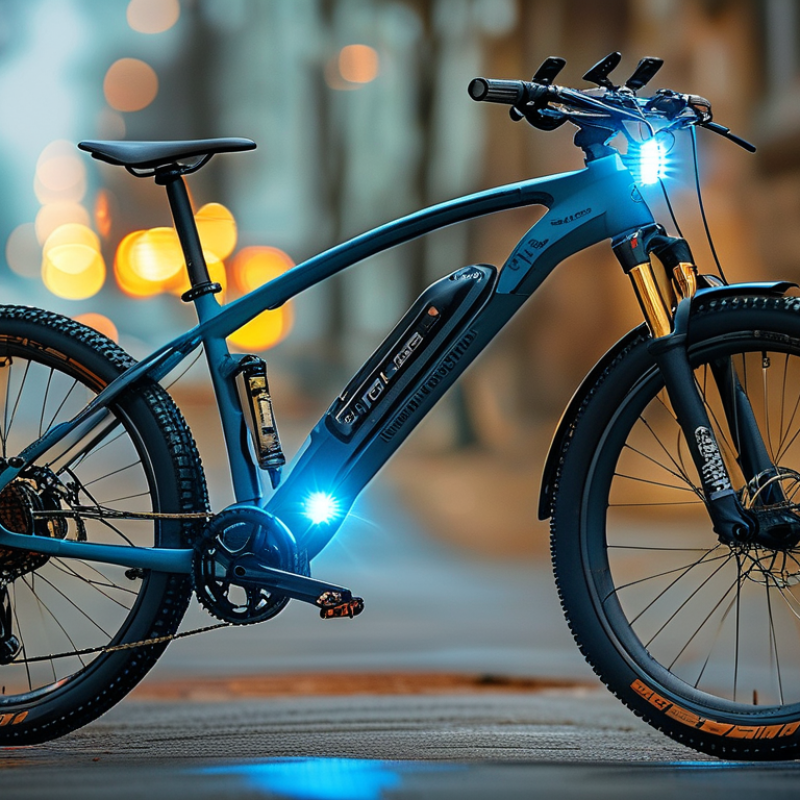
Understanding LED Technology: Key Features for Bike Flashlights
When choosing an LED bike flashlight, understanding LED technology is crucial. LED lights are efficient and sustainable, making them perfect for night riding. They produce a bright, focused beam that illuminates the path ahead. Look for flashlights with a high lumen rating for optimal brightness. This ensures you can see obstacles and hazards clearly.
Battery life is another key feature. Opt for flashlights with long-lasting batteries. Some models offer rechargeable options, reducing waste. Heat dissipation is also vital; overheating can shorten the lifespan of the flashlight. A well-designed casing protects the LED and keeps it cool.
Consider the beam pattern as well. Wide beams are great for seeing surroundings, while focused beams help with long-distance visibility. Adjustability is an essential feature. If you can change brightness levels, you can conserve battery life on shorter rides. Testing different models can help you find the right fit for your needs.
Importance of Lumens: How Brightness Impacts Night Riding Safety
When riding at night, lumens play a crucial role in ensuring safety. Lumens measure the total amount of visible light emitted by a source. According to the National Highway Traffic Safety Administration, about 49% of fatal bike accidents occur after dark. Therefore, the right brightness is essential for visibility and safety.
A flashlight with at least 200 lumens is recommended for most nighttime rides. Higher lumens, around 500 to 1000, are ideal for poorly lit areas. More light allows you to spot potential hazards early. However, it's important to consider beam patterns too. A focused beam illuminates far ahead, while a wider beam improves peripheral visibility.
Tips:
- Check the run time of the flashlight. A short battery life could leave you in darkness unexpectedly.
- Assess the flashlight's weight. Heavier models might affect your riding comfort.
- Ensure the flashlight is waterproof. Sudden rain could render an inadequate flashlight useless.
Brightness impacts your ability to see and be seen. A bicycle light that is too dim can be misleading. Always choose a flashlight that matches your riding environment. Take time to evaluate different options. The right choice enhances both
confidence and
safety while biking at night.
Beam Patterns Explained: Flood vs. Spot for Optimal Visibility
When choosing an LED bike flashlight, understanding beam patterns is crucial. Flood and spot beams serve different purposes. Flood beams cast a wide light, illuminating the path ahead. This is excellent for seeing nearby terrain, like potholes or obstacles. Spot beams, however, focus light in a narrow area, guiding you further down the road. They excel in visibility over long distances, perfect for spotting hazards early.
Riders might feel the urge to prioritize brightness. However, a super-bright light can create glare. This can obscure your path and hinder visibility. Balancing both beam types is essential for safety. Some lights combine flood and spot features, allowing adjustments depending on conditions. Being aware of environmental factors, like weather and road conditions, can help in making the right choice. User feedback plays a key role too. Reviews often highlight what type of beam worked best in real-world scenarios. It's valuable to learn from others' experiences.
How to Find the Best LED Bike Flashlight for Night Riding? - Beam Patterns Explained: Flood vs. Spot for Optimal Visibility
| Feature |
Flood Beam |
Spot Beam |
| Illumination Area |
Wide, covering a large area |
Narrow, focused on a specific point |
| Best Use |
Urban environments and paths |
Long-distance visibility on open roads |
| Battery Life |
Moderate; usually less efficient |
High; optimized for longevity |
| Weight |
Relatively lightweight |
May be heavier due to optical design |
| Cost |
Generally lower |
Can be higher due to advanced features |
Battery Life Considerations: How Long Should Your Flashlight Last?
Battery life is a crucial factor when selecting an LED bike flashlight for night riding. A flashlight should ideally provide a minimum of 6-12 hours of continuous use. Industry reports indicate that riders often prefer lights that last longer on a single charge, especially for long-distance rides. A flashlight that only lasts a few hours may not be adequate for evening commutes or lengthy cycling trips.
While brightness is essential, longevity in battery life is equally significant. A study showed that many cyclists switch off their lights after prolonged use to conserve battery. This can compromise safety. Ideally, a good flashlight should have multiple brightness settings, allowing users to adjust according to their needs without draining the battery too quickly.
Tips: Consider a flashlight with a battery indicator. This feature can alert you when it’s time to recharge. Also, choose a design that allows easy battery replacement. Regularly examine and maintain your flashlight. Batteries degrade over time, impacting performance. It's vital to address this to ensure safety on night rides.
Battery Life Considerations for LED Bike Flashlights
Water Resistance Ratings: Ensuring Durability for Night Rides
When it comes to night riding, water resistance is essential. A flashlight that can withstand rain is vital for safety. Look for products that have an IP rating. An IP rating indicates how resistant a flashlight is to water and dust. For example, an IPX4 rating means the flashlight can handle splashes from any direction. This level of protection is important for unexpected weather changes.
Not all bike flashlights are designed equally. Some may claim to be water-resistant but fail in heavy rain. It’s crucial to check user reviews for real-life experiences. Pay attention to comments about durability and functionality under different conditions. Many users share their frustrations over flashlights that quit working after a single downpour. Practical experiences help in making informed decisions.
A robust flashlight can significantly enhance your night riding experience. It’s more than just being visible; it’s about having trust in your equipment. Take the time to research and understand the specifications. Invest in a reliable option that meets your cycling needs, especially in inclement weather. A poor choice can lead to safety hazards and costly replacements. Be mindful of what you choose.
FAQS
: LED technology is efficient and sustainable, great for night riding. It provides a bright, focused beam for visibility.
Look for flashlights with high lumen ratings for optimal brightness. This helps in clearly seeing obstacles and hazards.
Ideally, a flashlight should last 6-12 hours of continuous use. Longer battery life is crucial for evening commutes.
Short battery life may force you to switch off lights, compromising safety during rides. Longer-lasting batteries ensure visibility.
Wide beams help see surroundings, while focused beams assist with long-distance visibility. Adjustability is essential for varying needs.
Opt for flashlights with multiple brightness settings. This helps adjust the light without quickly draining the battery.
Yes, a battery indicator alerts you when it’s time to recharge. This feature enhances safety during night rides.
Regularly clean and check your flashlight. Batteries can degrade, impacting performance, which is crucial for night riding.
Examine the batteries first. Replace them if needed. Troubleshooting can lead to better safety and performance.
Yes, overheating can shorten the flashlight's lifespan. A well-designed casing protects the LED and manages heat efficiently.
Conclusion
When considering how to choose the best LED bike flashlight for night riding, it's crucial to understand the key features of LED technology. The brightness of the flashlight, often measured in lumens, plays a vital role in ensuring your safety during nighttime rides. A higher lumen count correlates with better visibility, allowing you to spot obstacles and be seen by other road users.
Additionally, beam patterns, such as flood and spot, can significantly affect your visibility. Flood beams provide a broader light spread, ideal for seeing wider areas, while spot beams focus light further ahead. Battery life is another essential consideration; you want a flashlight that lasts throughout your ride. Lastly, water resistance ratings are vital for durability, ensuring that your flashlight can withstand various weather conditions. By considering these factors, you can make an informed decision for a safer night riding experience.

 Geek Flashlight